Format: Reverse Panel 6
Moderator: Madelynn Martiniere
Speakers: Ronnakorn “Ronnie” Vaiyavuth, Shaunette Ferguson, Tan Zhi Xuan, Wararat “Crystal” Choyrum, Mahendra Shahare
This panel asks what it means to govern AI together rather than merely use systems governed by others. Across different regional, cultural, and institutional settings, it explores how shared ownership, collective decision-making, community values, and self-governed infrastructure can turn AI from a service delivered from above into something people can shape, govern, and hold accountable together.
Tan Zhi Xuan discusses how individuals and communities could use AI agents to defend their interests, organize collectively, and govern shared infrastructure without relying on state or corporate control. This offers an alternative vision for AI agents that goes beyond automating labor or serving individual ends.
How should public institutions govern their use of AI? Dr. Noor AlHendi argues that public agencies should retain legal responsibility and meaningful human oversight when they use AI to support decisions. Drawing on emerging European regulation, she proposes a solidarity-based framework that requires agencies to explain their decisions, make AI-assisted decisions traceable, and protect people’s right to challenge them.
Wararat “Crystal” Choyrum explores translation as a practice of digital solidarity. Drawing on Thai localization of open source software, she asks whose languages digital tools serve, who performs the work of making them accessible, and how communities can overcome linguistic barriers to participation.
Mahendra Shahare argues that responsible AI is itself a problem of power. Reading Pope Leo XIV’s Magnifica Humanitas and its account of the Tower of Babel as a critique of concentrated technological power, and drawing on Yuval Noah Harari’s idea of AI as a “bureaucratic native,” he asks who holds the resources and authority to define responsibility in the first place. Without that attention, he warns, AI governance risks reproducing the very concentration it seeks to address.
Reporter 1: Melike Kaplan
Reporter 2: Madelynn Martiniere (notes after the session)
Speakers
-

Tan Zhi Xuan Assistant Professor in the Department of Computer Science of the National University of Singapore
-

Ronnakorn “Ronnie” Vaiyavuth Deputy Executive Director, Chulalongkorn School of Integrated Innovation (CSII)
-
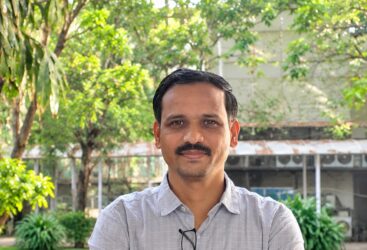
Mahendra Shahare Assistant Professor in the Department of Humanities and Social Sciences at the Indian Institute of Technology Bombay
-

Madelynn Martiniere Researcher, facilitator, and systems designer
-

Wararat Choyrum FOSS advocate, TechTransThai member, resident trans girl
-

Noor Alhendi Associate professor of public law at United Arab Emirates University