Format: Reverse Panel 5
Moderator: Sandra Moreno
Speakers: Jeremias Meyer, Yosuke Uchiyama, Willamina Asitharana Worakulsawat, Jetniphit Srisinghasongkram, Thitirerk Phromvanich
This panel asks what resistance to extractive AI looks like when it begins from the people, communities, and workers whose knowledge, labor, data, and everyday practices are being captured. From workers contesting the extraction of embodied skills for AI training to communities building cooperative and legal alternatives, the panel examines how resistance takes shape in particular places—and what it would mean to replace extraction with consent, collective ownership, democratic governance, and shared benefit.
Yosuke Uchiyama examines how platform parasitism concentrates value and control while pushing risk and responsibility onto others. He considers how solidarity infrastructure can offer an alternative model for governing algorithmic labor. He argues that Solidarity AI needs institutions that redistribute control, internalize responsibility, and give workers and affected communities real influence over algorithmic systems and the infrastructure they depend on.
Jeremias Meyer investigates how AI can support deliberation and participation in large cooperatives, where involving many members in collective decision-making becomes increasingly difficult. Through an organizational intervention in three cooperatives (Austria, Italy), he explores how AI can make members’ disagreements, perspectives, and knowledge more visible to boards, while the low participation observed also highlights the limitations of AI-assisted deliberation in addressing participation itself.
Willamina Asitharana Worakulsawat considers what queer and disability rights bring to the organization of technical communities. She asks how education, accessibility, and everyday logistical work can create meaningful participation—and how communities can recognize and share the labor that sustains inclusion.
Jetniphit Srisinghasongkram examines data ethics in forensic science, asking who should be consulted when researchers use wounds, skeletal remains, skulls, and other data from deceased individuals. Drawing on her work in image processing, AI, and forensic identification, she explores how scientific advancement can be balanced with respect for individuals, families, and communities. Her contribution connects forensic AI to questions of consent, responsible data stewardship, and the authority of those affected.
Thitirerk Phromvanich, a Bangkok-based community organizer and artist with Commons and Bonfire, brings the view from participatory practice. His public interventions, such as Sit Still and Do Fuxxing Nothing, question everyday assumptions about work, productivity, and public space, and ask what resisting extraction looks like when it starts with how people spend their time together.
Reporter 1: Jeremias Meyer
Reporter 2: Subin Mulmi
Speakers
-

Yosuke Uchiyama Labor Sociologist and Fellow
-
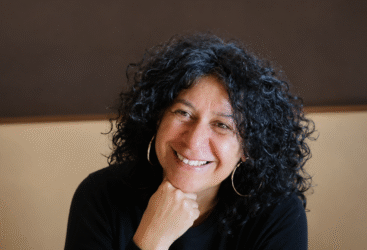
Sandra Moreno Cadena Executive Secretary of RIPESS
-

Willamina Asitharana Worakulsawat Queer and disability rights advocate, member of TechTransThai
-

Thitirerk Phromvanich Facilitator and social communication practitioner
-

Jeremias Meyer Ph.D. student at the Research Institute for Cooperation and Cooperatives at the Vienna University of Economics and Business
-

Jetniphit Srisinghasongkram Lecturer at the Graduate School of Suan Dusit University