Second round of concurrent sessions
Format: Workshop
Speakers: Shobhit S., James Farrar
Predicting the Driver: AI, Automated Decisions and Uber’s Dynamic Pay (James)
Uber once paid drivers a fixed 75% share of time-and-distance fares. Now, AI sets pay through multi-objective optimisation at over a million predictions per second. Its causal models estimate how marketplace interventions change driver behaviour, while Trip Radar’s non-exclusive dispatch can operate as a silent auction amid driver oversupply. Internal guidance confirms individualised driver-passenger scoring, with reinforcement learning shaping rankings and assigning zero reward to idle time. Evidence from other platforms raises further concerns about algorithmically suppressed wages. The unresolved question is whether these practices constitute algorithmic wage discrimination, and what GDPR Article 22 demands of such automated decision-making.
From Individual Transparency Rights to Collective Oversight: Implementing Karnataka’s Platform Work Law (Shobhit)
Karnataka’s new platform-work law creates an opening for collective oversight of algorithmic management through a Welfare Board required to engage worker associations and empowered to obtain aggregated platform data. Drawing on ongoing work on the law’s implementation, this case examines how worker organisations can leverage these institutional openings to collectively investigate patterns of discrimination in pay, task allocation, and other algorithmically mediated decisions. How can the Welfare Board’s powers be operationalised to enable worker organisations to systematically uncover and challenge forms of algorithmic discrimination that remain invisible to individual workers?
Reporter 1: James Farrar
Reporter 2: Kanikka Sersia
Speakers
-
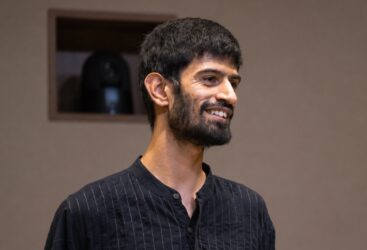
Shobhit S. Lead for Research and Policy Engagement at IT for Change
-

James Farrar Founder and Director of Worker Info Exchange (WIE)